
Dental Implants vs Dentures: Which Is Right for You?
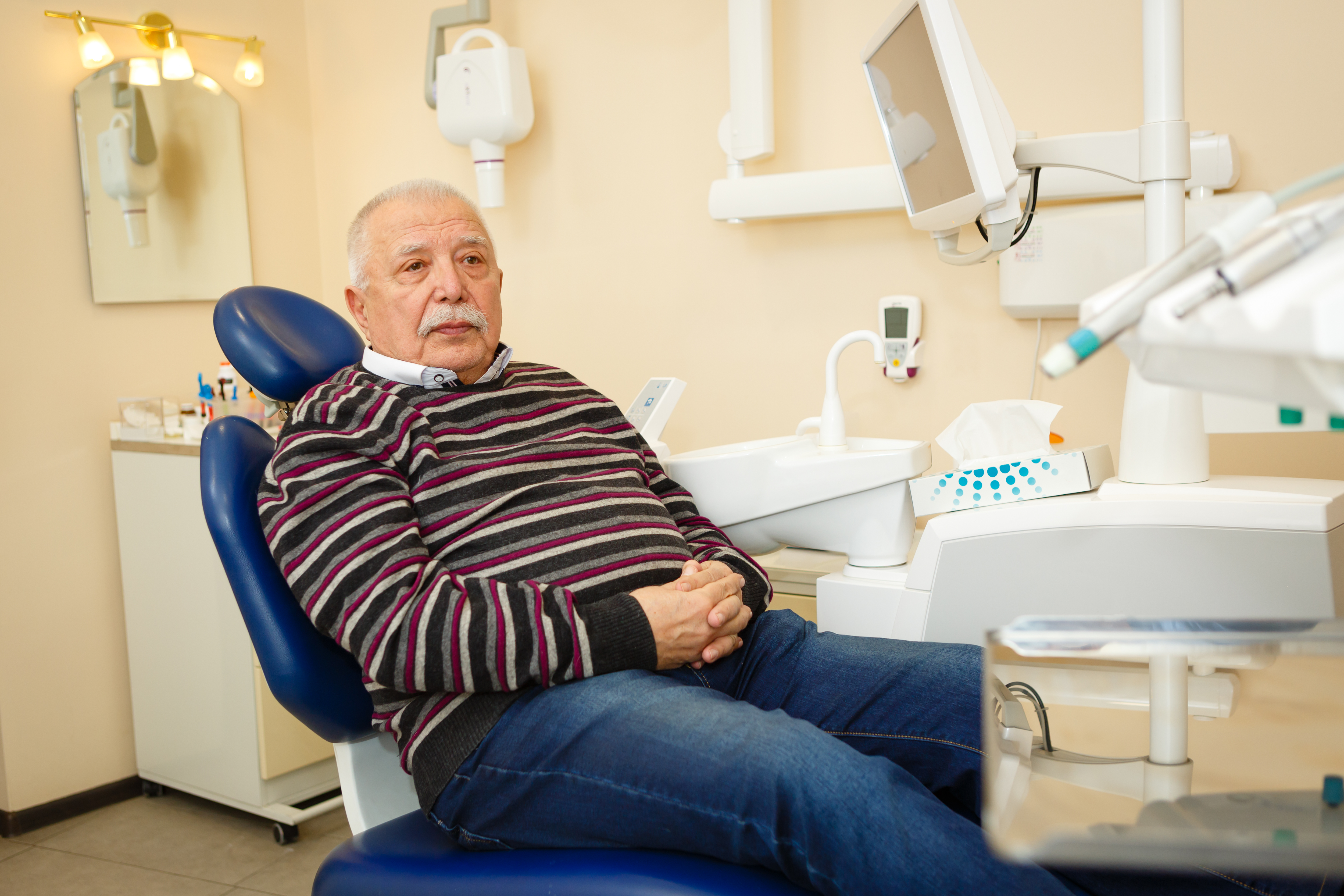
Missing teeth can affect more than the way your smile looks. They can also change how you chew, speak, and feel about your oral health. For patients in San Diego, dental implants and dentures are two common tooth replacement options, but they work in very different ways. Understanding the differences can help you make a more confident decision with your dentist.
At Dent Aid Dentistry in San Diego, tooth replacement options can be planned around your health, budget, lifestyle, and long-term goals.
What Are Dental Implants?
Dental implants are designed to replace missing teeth with a more stable, long-term solution. An implant is a small post that is placed in the jawbone to act like an artificial tooth root. Once the area heals, a crown, bridge, or denture can be attached to restore the visible part of the smile.
Because implants are supported by the jawbone, they can feel secure and natural when chewing or speaking. They also help stimulate the bone, which may reduce the bone loss that often happens after tooth loss.
What Are Dentures?
Dentures are removable appliances used to replace several missing teeth or a full arch of teeth. They may be complete dentures, which replace all teeth in the upper or lower jaw, or partial dentures, which replace some missing teeth while fitting around remaining natural teeth.
Dentures can be a practical option for San Diego patients who want a less invasive replacement method or who are not ready for implant treatment. Modern dentures are designed to look natural, but they may require adjustments over time as the mouth changes.
Key Differences Between Dental Implants And Dentures
Dental implants and dentures can both restore your smile, but the right choice depends on several factors. Your dentist will consider your bone health, gum health, number of missing teeth, medical history, and personal preferences.
Some important differences include:
- Stability while chewing and speaking
- Whether the appliance is fixed or removable
- Jawbone support and long-term bone preservation
- Treatment timeline and healing needs
- Daily maintenance and cleaning routine
- Upfront cost and long-term replacement needs
For some patients in San Diego, dental implants may offer greater stability. For others, dentures may be the more appropriate or accessible option.
When Dental Implants May Be A Good Fit
Dental implants may be a good choice if you want a fixed tooth replacement that feels closer to natural teeth. They are often recommended for patients with healthy gums, adequate jawbone support, and a commitment to good oral hygiene.
Implants can replace one tooth, several teeth, or support a full denture. Implant-supported dentures can also be an option for patients who want more stability than traditional removable dentures provide.
However, implant treatment requires a surgical procedure and a healing period. Some patients may need additional care, such as bone grafting, before implants can be placed.
When Dentures May Be A Better Option
Dentures may be a better fit for patients who want a removable solution, need to replace many teeth, or are not candidates for dental implant surgery. They may also be recommended when bone loss, health conditions, or budget concerns make implants less practical.
Dentures can restore the appearance of the smile and improve chewing ability, but they do not provide the same level of jawbone stimulation as implants. Over time, the gums and bone can change shape, which may affect denture fit. Regular dental visits help keep dentures comfortable and functional.
What About Implant-Supported Dentures?
Implant-supported dentures can combine the benefits of both options. Instead of resting only on the gums, these dentures attach to dental implants for added support. This can reduce slipping, improve chewing strength, and help patients feel more confident.
For San Diego patients who are frustrated with loose dentures but may not need individual implants for every missing tooth, implant-supported dentures may be worth discussing.
How To Choose The Right Option
There is no one-size-fits-all answer when comparing dental implants vs dentures. The best choice depends on your oral health, goals, comfort level, and treatment priorities. A dental exam can help determine whether your gums and jawbone can support implants or whether dentures may be the better path.
Your dentist can explain the pros, limitations, timeline, and maintenance needs of each option so you can make an informed decision.
Schedule a tooth replacement consultation with Dent Aid Dentistry in San Diego, CA, located at 10645 Tierrasanta Boulevard Ste B, by calling 858-215-1041.
Helpful Articles
article_category: products
article_category: psychiatry
article_category: faqs
article_category: cats
article_category: general
article_category: services
article_category: technology
article_category: dogs
article_category: restorative
article_category: vision therapy
article_category: contact lenses
article_category: health
article_category: conditions
article_category: eye surgery co-management
article_category: exotic
article_category: cosmetic
article_category: surgical procedures
article_category: aesthetics
article_category: preventative
article_category: ocular disease management
article_category: eyeglasses
article_category: eye health
article_category: large animal
[]
article_category: psychiatry
article_category: faqs
article_category: cats
article_category: general
article_category: services
article_category: technology
article_category: dogs
article_category: restorative
article_category: vision therapy
article_category: contact lenses
article_category: health
article_category: conditions
article_category: eye surgery co-management
article_category: exotic
article_category: cosmetic
article_category: surgical procedures
article_category: aesthetics
article_category: preventative
article_category: ocular disease management
article_category: eyeglasses
article_category: eye health
article_category: large animal
[]
Flowbite is an open-source library of interactive components built on top of Tailwind CSS including buttons, dropdowns, modals, navbars, and more.
Check out this guide to learn how to get started and start developing websites even faster with components on top of Tailwind CSS.
All Dental Services
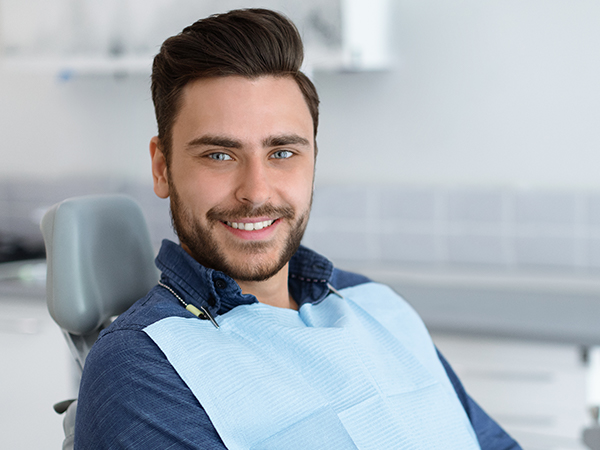
We offer a wide variety of dental services to the San Diego community. Contact us with any questions about our services.
Keep In Touch
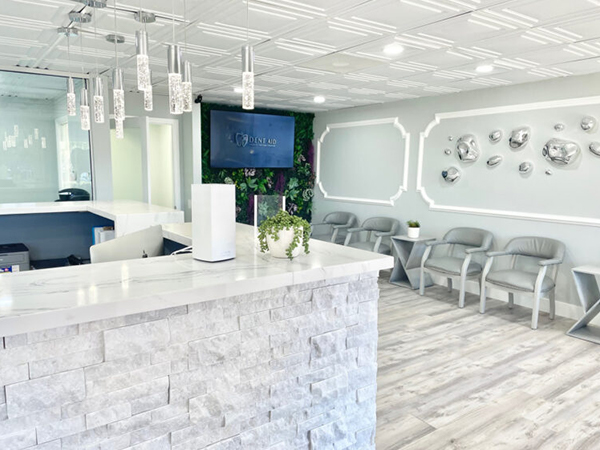
For non-urgent questions or to learn more about our services, contact us today!
Contact Information

Hours of Operation
- Monday 7:00am - 4:00pm
- Tuesday 7:00am - 4:00pm
- Wednesday 7:00am - 4:00pm
- Thursday 7:00am - 4:00pm
- Friday 8:00am – 1:00pm
- Saturday Closed
- Sunday Closed
© 2026 Dent Aid Dentistry. All rights Reserved - Accessibility Statement - Privacy Policy - Sitemap
Managed and Designed by 